Biometric vs Keypad Safes: Which Quick-Access Method Is Right for You?
An in-depth comparison of biometric fingerprint, mechanical keypad, and RFID quick-access safes. Compare speed, reliability, failure modes, and cost to find your best fit.
Quick-access safes exist for one purpose: getting to your firearm fast when you need it while keeping it secured from unauthorized access at all other times. The access method you choose—biometric fingerprint, mechanical keypad, or RFID—directly affects how reliably and quickly you can open your safe under stress. This comparison helps you pick the right technology for your situation.
Important Safety Warning
No quick-access safe replaces proper safe storage habits. Always store firearms unloaded unless the safe is specifically intended for home defense readiness. Keep your safe mounted securely and out of reach of children. Review safe storage principles before selecting a quick-access solution.
The Three Access Technologies
Biometric (Fingerprint)
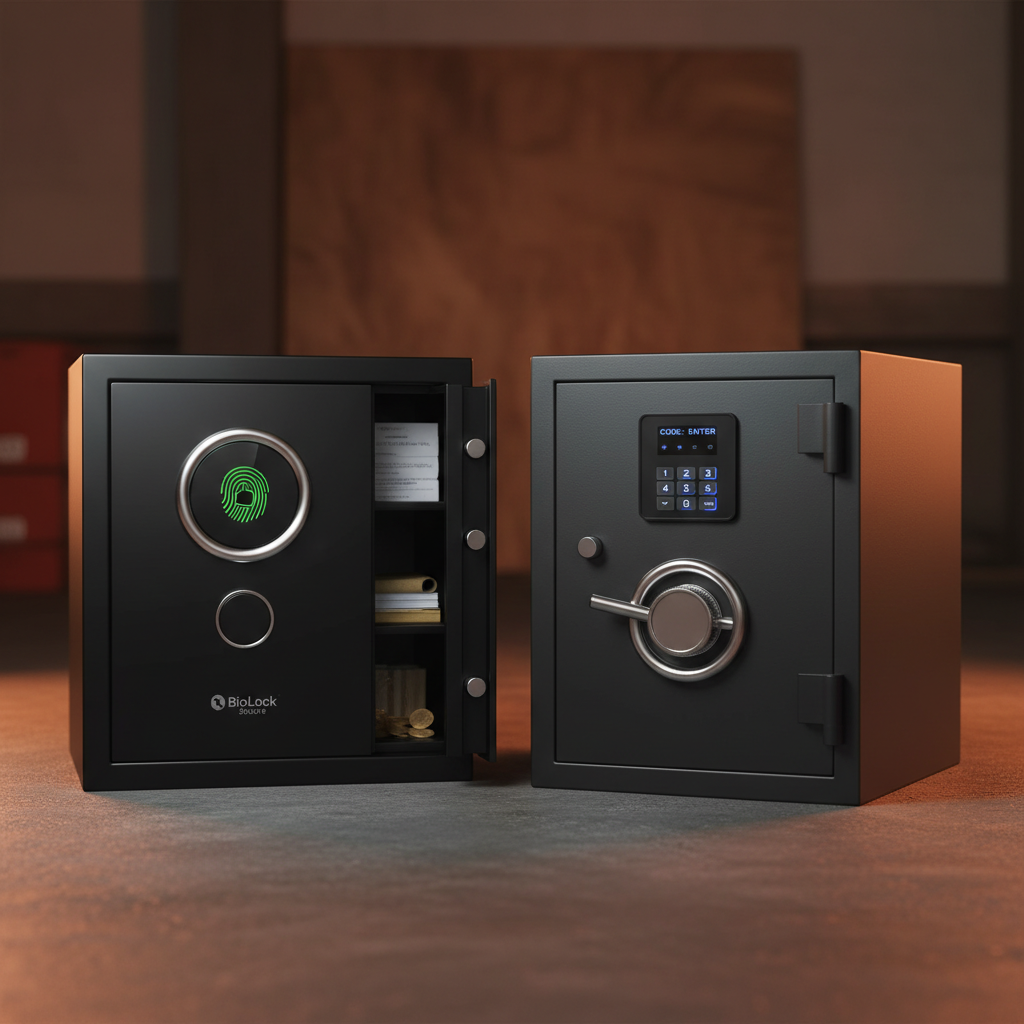
Biometric safes use a fingerprint scanner to verify your identity and unlock. Modern scanners can read a fingerprint in under a second, making this the fastest access method when it works. The key phrase is when it works—wet, dirty, or injured fingers can cause failures. Quality varies dramatically between brands.
Mechanical Keypad (Simplex)
Mechanical keypads use a purely mechanical push-button combination lock with no electronics or batteries. You press a specific sequence of buttons, and a spring-loaded mechanism opens the door. They are virtually immune to failure because there is nothing electronic to malfunction. The trade-off is slightly slower access compared to a fingerprint swipe.
RFID (Radio Frequency Identification)
RFID safes open when you bring a programmed tag—worn as a wristband, carried as a key fob, or stuck to your phone—near the reader. Access is nearly instant, with no fine motor skills required. The catch is you must always have the tag on your person, and the safe still requires batteries.
Comparison Table
| Factor | Biometric (Vaultek VT20i) | Keypad (Fort Knox PB1) | RFID (Hornady RAPiD) |
|---|---|---|---|
| Access Speed | Under 1 second | 2-4 seconds | Under 1 second |
| Reliability | Good (can fail with wet hands) | Excellent (mechanical, no failures) | Good (requires tag proximity) |
| Battery Required | Yes | No | Yes |
| Fine Motor Skills Needed | Minimal (finger placement) | Moderate (button sequence) | None (proximity only) |
| Darkness Operation | Easy (touch-based) | Moderate (tactile buttons) | Easy (proximity-based) |
| Failure Mode | Wet/dirty fingers, dead battery | Forgotten combination | Lost tag, dead battery |
| Steel Gauge | 16-gauge | 10-gauge (thickest) | 14-gauge |
| Smart Features | Bluetooth app, alerts | None | None |
| Price Range | $$-$$$ | $$-$$$ | $$ |
Featured Safes

Vaultek VT20i
Best for: Tech-savvy owners wanting fast biometric access
A modern biometric quick-access safe with Bluetooth smartphone connectivity, backlit keypad, and a high-resolution fingerprint scanner that stores up to 20 fingerprints. Built from 16-gauge steel with anti-pry construction and interior LED lighting.
Pros
- + Sub-second fingerprint access
- + Smartphone app monitoring
- + Multiple access methods
Cons
- - Battery dependent
- - Fingerprint can fail with wet hands
- - Higher price point

Fort Knox PB1 Original Pistol Box
Best for: Maximum reliability with mechanical simplicity
A no-nonsense mechanical Simplex keypad safe built from 10-gauge steel—the thickest in its class. No batteries, no electronics, just a proven push-button lock that works every single time. Made in the USA with a lifetime warranty.
Pros
- + No batteries ever needed
- + 10-gauge steel construction
- + Lifetime warranty, USA made
Cons
- - No biometric option
- - Slower than fingerprint access
- - Combination changes require practice

Hornady RAPiD Safe
Best for: Fast RFID access with wearable activation
An RFID-activated quick-access safe that opens with a programmable wristband, key fob, or RFID sticker. Offers near-instant access by simply swiping your wrist or pocket near the reader. Also includes a traditional keypad as backup.
Pros
- + Instant RFID activation
- + Multiple RFID tags included
- + Keypad backup access
Cons
- - Must wear/carry RFID tag
- - Battery dependent
- - RFID tags can be lost
Key Considerations
Access Under Stress
In a high-stress situation, fine motor skills deteriorate. Biometric and RFID methods require less dexterity than a keypad combination. However, stress can also cause sweaty hands, which may hinder fingerprint readers. Practice with your chosen method regularly to build muscle memory.
Battery Dependency
This is the Fort Knox PB1's strongest argument. A mechanical lock never runs out of batteries. Biometric and RFID safes will warn you when batteries are low, but if you ignore those warnings, you may find yourself locked out at the worst possible moment. If you choose an electronic safe, set a calendar reminder to replace batteries every 6-12 months regardless of status.
Build Quality Matters More Than Technology
The access method is only part of the equation. Pay attention to steel gauge, anti-pry tabs, mounting hardware, and overall construction. A cheap biometric safe with thin steel is worse than a quality mechanical keypad safe, regardless of how fast it opens.
Always Have a Backup
Choose a safe with multiple access methods. The Vaultek VT20i offers fingerprint, keypad, key, and Bluetooth. The Hornady RAPiD has RFID plus keypad. Even the mechanical Fort Knox PB1 includes a key override. If your primary method fails, you need a reliable Plan B.
Our Verdict
For maximum reliability: The Fort Knox PB1 is our top recommendation. Its mechanical Simplex lock will work in 10 years exactly as it does today, with no batteries, no firmware updates, and no technology to fail. The 10-gauge steel construction is unmatched in its class.
For fastest access with modern features: The Vaultek VT20i delivers sub-second biometric access with smartphone monitoring and multiple backup methods. It's the right choice for tech-comfortable owners who stay on top of battery maintenance.
For effortless access: The Hornady RAPiD Safe with an RFID wristband offers the lowest barrier to entry—literally swipe your wrist and the safe opens. Ideal for nightstand deployment where you want access without thinking about finger placement or button sequences.
Related Resources
Looking for more options? Browse all storage & safes →
Affiliate Disclosure: FirearmCharm.com is a participant in the Amazon Services LLC Associates Program. We may earn a commission from qualifying purchases at no additional cost to you. Our recommendations are based on thorough research and are not influenced by commission rates.