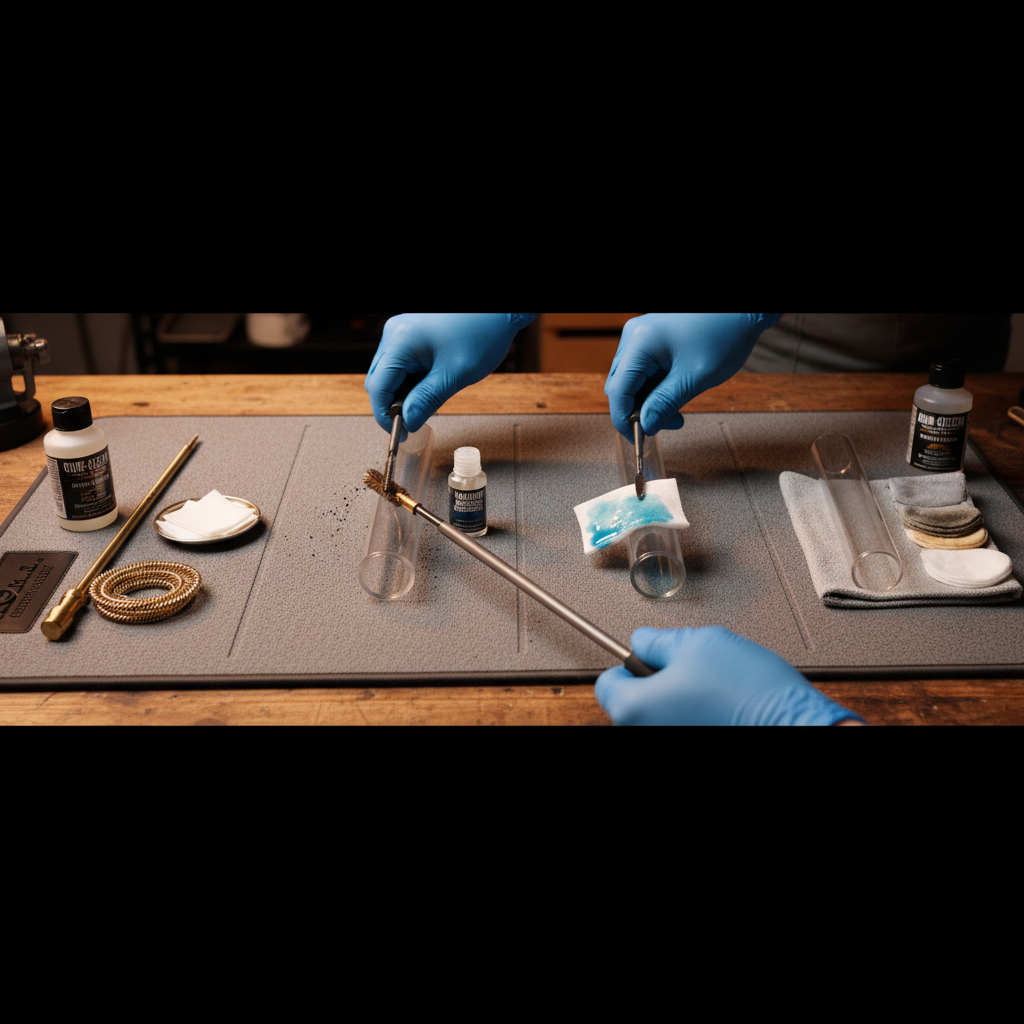
Firearm Cleaning Explained
Complete guide to proper firearm cleaning. Learn techniques, products, schedules, and best practices for maintaining your firearms.
Proper cleaning is fundamental to firearm maintenance. It prevents corrosion, ensures reliable function, and extends the life of your investment. This guide covers everything from basic principles to advanced techniques.
Important Safety Warning
Before any cleaning procedure: Remove the magazine, lock the action open, and verify the chamber is empty both visually and physically. Treat every firearm as if it were loaded until you have personally verified it is not.
Why Clean Your Firearm?
Each time a firearm is discharged, residue accumulates:
- Carbon fouling: From burned powder, accumulates in the bore and action
- Copper fouling: From bullet jackets, builds up in the bore's rifling
- Lead deposits: From cast bullets, can affect accuracy
- Primer residue: Corrosive in some ammunition types
This residue, combined with moisture and handling oils from your hands, creates an environment conducive to corrosion. Regular cleaning removes these deposits and allows you to apply protective lubricants.
Essential Cleaning Supplies
Cleaning Rod or Pull-Through
The cleaning rod pushes or pulls patches and brushes through the bore. Choose materials that won't damage your barrel:
- Carbon fiber: Won't scratch, very rigid, premium option
- Brass/bronze: Softer than steel barrels, traditional choice
- Coated steel: Protected surface, good rigidity
- Flexible cables: Otis-style, great for field cleaning
Bore Brushes
Use caliber-specific brushes. Bronze brushes are standard for most cleaning; nylon brushes work well with aggressive solvents. Replace brushes when bristles become worn.
Jags and Patch Loops
Jags push patches with a tight fit for maximum cleaning. Patch loops are versatile and allow patches to be easily changed. Brass jags are standard.
Patches
Use lint-free cotton or synthetic patches sized for your caliber. You'll go through many—buy in bulk. Used patches reveal cleaning progress: dark to light indicates progress.
Solvent
Solvents dissolve carbon and copper fouling:
- Standard bore solvent: Hoppe's No. 9, M-Pro 7 - general purpose
- Copper solvent: Specifically formulated to remove copper fouling
- CLP: Cleans, lubricates, protects - convenient all-in-one
Lubricant
After cleaning, lubricant protects metal surfaces and ensures smooth operation:
- Light oil: General protection, good for most uses
- Grease: For high-friction points, rails, slide contact areas
- CLP: Adequate protection for most situations
Basic Cleaning Procedure
Step-by-Step Cleaning
- 1. Verify unloaded
Remove magazine, lock action open, visually and physically verify empty chamber. - 2. Field strip if appropriate
Follow manufacturer instructions for your specific firearm. Don't over-disassemble. - 3. Apply solvent to bore
Wet a patch with solvent and run through bore. Let sit 5-10 minutes to loosen fouling. - 4. Scrub with bore brush
Run bore brush through several times to break loose deposits. Re-apply solvent as needed. - 5. Patch until clean
Run dry patches through until they come out clean or nearly clean. - 6. Clean action and exterior
Use brushes and patches to clean bolt face, chamber, feed ramp, and other areas. - 7. Lubricate
Apply light oil to bore (thin coat), and appropriate lubricant to moving parts. - 8. Wipe exterior
Wipe down all metal surfaces with a lightly oiled cloth. - 9. Function check
Reassemble and verify proper function (action cycles smoothly, safety works).
Cleaning Frequency
After Every Shooting Session
Ideal practice. Removes fouling while fresh, prevents corrosion, allows you to inspect for issues. This doesn't need to be a deep clean—basic bore cleaning and wipe-down is sufficient.
After Shooting Corrosive Ammunition
Some surplus ammunition uses corrosive primers. Clean immediately—ideally within hours. Hot water can help neutralize corrosive salts before standard cleaning.
For Stored Firearms
Even unfired firearms need attention. Inspect monthly, clean and re-oil quarterly at minimum. Environmental factors (humidity, temperature swings) accelerate the need for maintenance.
Generate Your Schedule
Use our Maintenance Schedule Generator to create a personalized cleaning and inspection schedule based on your usage, storage conditions, and firearms. Create your schedule →
Common Mistakes
- Over-lubricating: Excess oil attracts dirt and can gum up actions
- Wrong direction: Clean from breach to muzzle when possible
- Damaged crowns: Protect the muzzle crown—damage affects accuracy
- Skipping patches: Brushing alone doesn't remove loosened fouling
- Using wrong caliber brushes: Too small won't clean; too large can damage
Related Resources
Affiliate Disclosure: FirearmCharm.com is a participant in the Amazon Services LLC Associates Program. We may earn a commission from qualifying purchases at no additional cost to you. Our recommendations are based on thorough research and are not influenced by commission rates.