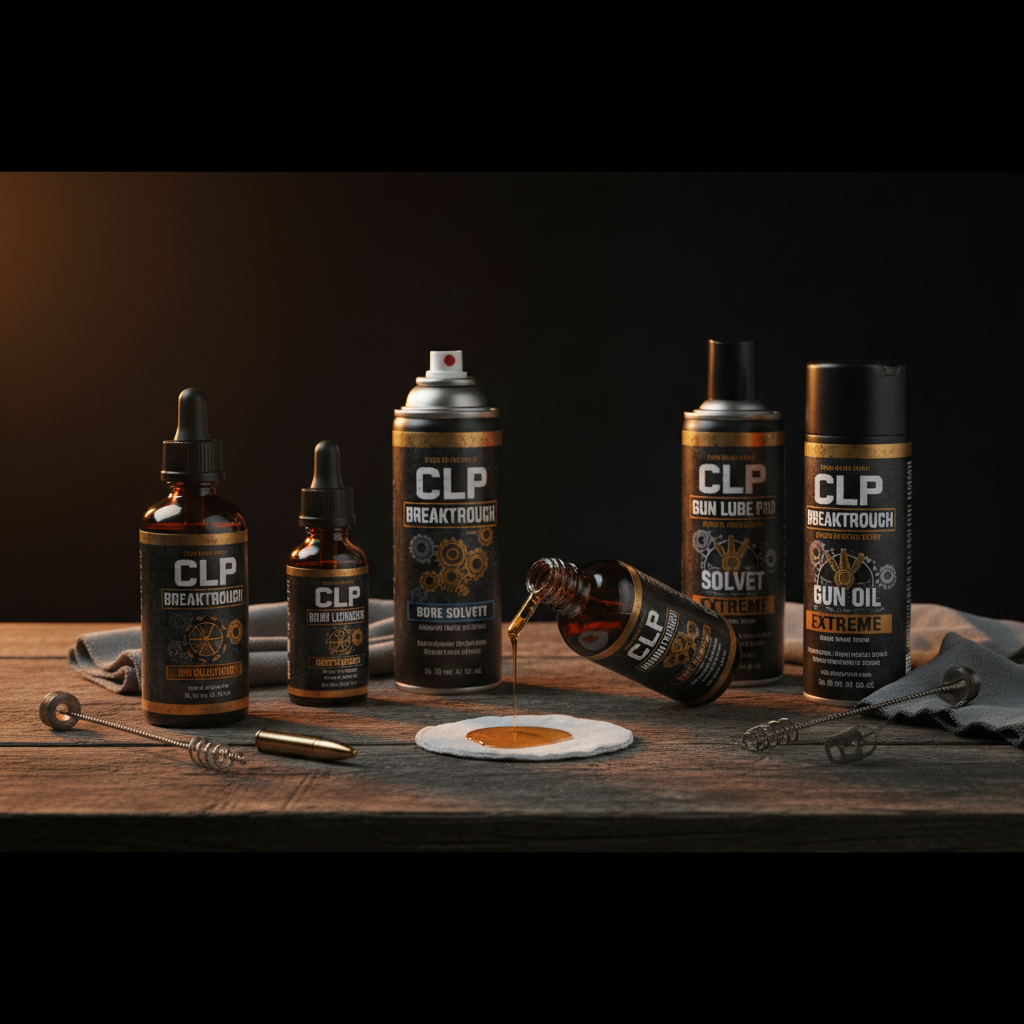
Oils, Solvents & Lubricants
Complete guide to gun oils, cleaning solvents, and lubricants. CLP vs dedicated products, what to use, and top recommendations.
Proper cleaning chemistry is essential for firearm maintenance. Understanding the difference between solvents, lubricants, and protectants helps you choose the right products for your needs.
Safety Notice
Always use cleaning solvents in well-ventilated areas. Many contain chemicals that should not be inhaled. Keep away from heat, sparks, and open flames.
Understanding the Categories
Solvents (Cleaners)
Solvents dissolve and remove fouling—the carbon, copper, and lead residue left after shooting. They're designed to break down deposits so they can be wiped away.
- Bore solvents: General-purpose cleaners like Hoppe's No. 9
- Copper solvents: Specifically target copper fouling (blue when working)
- Carbon cleaners: Specialized for heavy carbon buildup
Lubricants
Lubricants reduce friction between moving parts, ensuring smooth operation and reducing wear.
- Oils: Light lubricants for most applications
- Greases: Thicker lubricants for high-friction areas (rails, slides)
- Dry lubricants: For dusty environments where oil attracts debris
Protectants
Protectants leave a barrier on metal surfaces to prevent rust and corrosion during storage. Many lubricants also serve this function.
CLP (Clean-Lubricate-Protect)
CLP products combine all three functions in one formula. They're convenient for basic maintenance but may not match dedicated products for heavy-duty cleaning.
CLP vs. Dedicated Products
When CLP is Enough
- • Regular maintenance after range trips
- • Light to moderate fouling
- • When convenience matters
- • Field cleaning situations
When Dedicated Products Excel
- • Heavy fouling or neglected firearms
- • Precision rifles with copper buildup
- • Extreme temperature conditions
- • Long-term storage protection
- • High-round-count competition use
Application Tips
- Less is more: Excess lubricant attracts dirt and can gum up actions
- Let solvents work: Allow 5-10 minutes for solvents to break down fouling
- Wipe excess: Apply, let penetrate, then wipe away excess
- Match to conditions: Use appropriate products for your environment
Top Recommendations
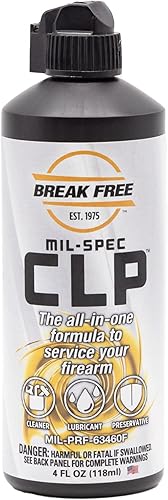
Break-Free CLP-4 Cleaner Lubricant Preservative
Best for: All-around convenience
The military-standard CLP (Clean, Lubricate, Protect) in a 4oz squeeze bottle. One-step cleaning, lubrication, and corrosion prevention trusted by armed forces worldwide.
Pros
- + One product does it all
- + Trusted military formula
- + Great value
Cons
- - Not specialized for heavy fouling
- - Odor some dislike
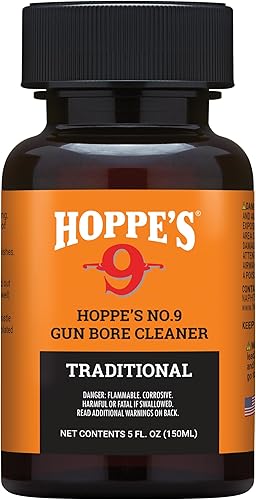
Hoppe's No. 9 Gun Bore Cleaning Solvent
Best for: Traditional cleaning
The legendary 5oz bore solvent trusted since 1903. Rapidly removes carbon, powder, and lead fouling from pistols, rifles, and shotguns.
Pros
- + Proven formula since 1903
- + Excellent cleaning power
- + Iconic scent
Cons
- - Solvent only (need separate lube)
- - Strong smell
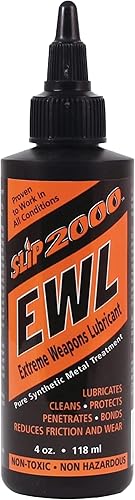
Slip 2000 EWL Extreme Weapons Lubricant
Best for: High-round-count shooters
Premium 4oz synthetic lubricant engineered for extreme conditions. Non-toxic, biodegradable formula provides superior wear protection from -110°F to 350°F.
Pros
- + Superior lubrication
- + Works in extreme temps
- + Non-toxic and biodegradable
Cons
- - Higher price
- - Lubricant only
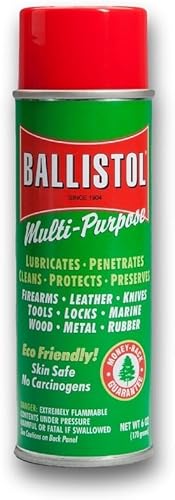
Ballistol Multi-Purpose Aerosol Can
Best for: Black powder and antiques
Biodegradable, non-toxic 6oz aerosol that cleans, lubricates, and protects. Safe on wood, leather, plastics, and metal. German-engineered since 1904.
Pros
- + Eco-friendly
- + Safe on all materials
- + Multi-use
Cons
- - Not the strongest cleaner
- - Unique smell
Related Reviews
Storage Tip
Store oils and solvents in a cool, dry place away from direct sunlight. Check expiration dates and replace if you notice separation, color change, or unusual odors.
Affiliate Disclosure: FirearmCharm.com is a participant in the Amazon Services LLC Associates Program. We may earn a commission from qualifying purchases at no additional cost to you. Our recommendations are based on thorough research and are not influenced by commission rates.